
How Long Should Cabinet Pulls Be?
Choosing the right cabinet pull length is not just a style decision. For kitchens, vanities, built-ins, and commercial casework, pull size affects daily usability, installation consistency, and replacement compatibility across future maintenance cycles. From a hardware manufacturer’s perspective, the best result comes from setting a clear sizing rule, then locking down the technical specification before production.
Start With the Two Measurements That Matter
Overall length is what you see. Center-to-center is what you install.
Overall length: the total end-to-end size of the pull body.
Center-to-center: the distance between the two mounting holes. This is the measurement that must match drilling and determines retrofit compatibility. Many cabinet pulls are produced in metric center-to-center standards such as 96 mm, 128 mm, 160 mm, 192 mm, 224 mm and more.
For project buyers, center-to-center is the spec that prevents jobsite surprises because it aligns with templates, CNC drilling programs, and repeat ordering.
A Practical Rule for Pull Length
A widely used sizing guideline is the one-third rule:
Pull length is about one-third of the drawer width for a balanced look and comfortable grip position.
If you are between two sizes, sizing up often looks cleaner and feels better in hand.
This rule works well because it keeps proportions consistent across mixed drawer banks, and it reduces “tiny handle on a wide drawer” complaints in finished installations.
Recommended Pull Length by Drawer Width
Below is a practical chart you can use when specifying pulls for a full cabinet run. It is based on the one-third rule and common market sizes, expressed in ranges so you can map to your preferred center-to-center series.
| Drawer width | Recommended pull length feel | Typical center-to-center choices |
|---|---|---|
| Up to 12 in | Compact, single-hand operation | 76 mm, 96 mm, 128 mm |
| 12–18 in | Standard kitchen drawers | 128 mm, 160 mm |
| 18–24 in | Heavier loads, better leverage | 160 mm, 192 mm, 224 mm |
| 24–30 in | Wide drawers, modern look | 224 mm, 256 mm, 320 mm |
| Over 30 in | Very wide drawers, tool drawers | 320 mm and above, or consider two pulls |
When One Long Pull Beats Two Short Pulls
On wide drawers, you will often see two pulls for symmetry. However, a single longer pull can be the better choice when you want:
Faster use in real kitchens because users can grab anywhere along the handle
Cleaner visual lines across a modern slab drawer system
Fewer drilled holes and simpler installation steps
This is why many placement guides recommend longer pulls rather than automatically doubling up, especially as drawer widths increase.
Standard Hole Spacing You Can Actually Source at Scale
For procurement planning, it helps to standardize your project on a limited set of center-to-center sizes. Common options include:
96 mm about 3-3/4 in
128 mm about 5 in
160 mm about 6-5/16 in
192 mm about 7-1/2 in
224 mm about 8-7/8 in
Standardizing reduces tooling changes, simplifies templates, and makes future replacement sourcing far easier.
Usability Checks That Prevent Complaints After Installation
A pull can be “the right size” visually but still feel wrong in daily use. Before you finalize a series, validate these practical factors:
Grip clearance: ensure enough finger space between the pull and the drawer face for quick grabs, including wet hands in kitchens and bathrooms.
Load and leverage: heavier drawers benefit from longer pulls because the force is spread and the grip point is less sensitive.
Consistency across elevations: stacked drawers look cleaner when pull lengths follow a clear progression rather than random changes.
Ergonomic guidance often emphasizes selecting a handle size that supports comfortable grip and access instead of choosing purely by appearance.
Why HUZHAN Is a Practical Choice for Hardware Spec Programs
When your project requires stable sizing, finish consistency, and repeatability, the manufacturer’s production setup matters as much as the design. HUZHAN focuses on brass hardware categories such as single-hole and double-hole cabinet handles, and supports customization through design, production, and mold development.
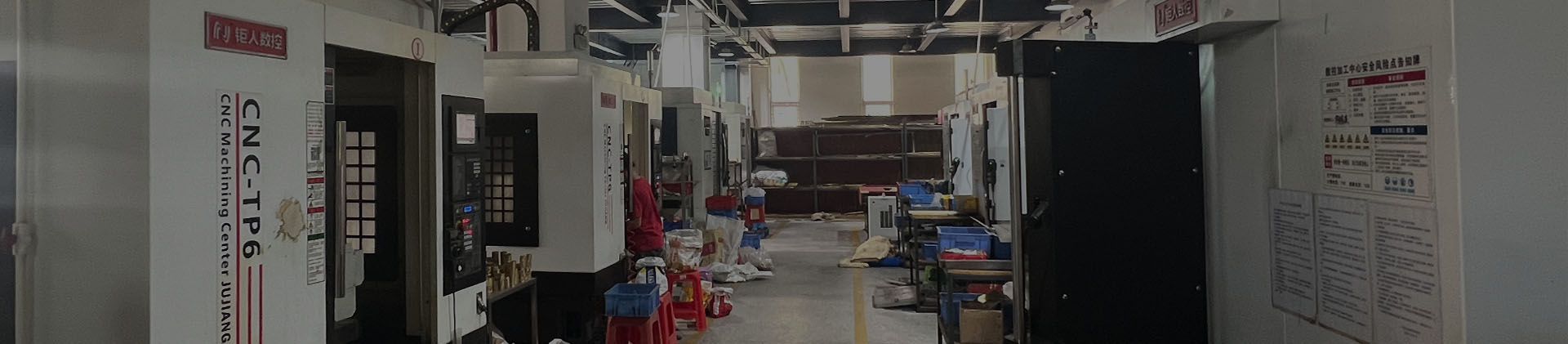
From a supply standpoint, HUZHAN’s manufacturing equipment coverage is aligned with scalable programs, including CNC and automated finishing capabilities, plus dust-free spraying workshops for consistent surface results. That production base helps support OEM/ODM specifications where you need controlled dimensions, uniform color matching, and stable batch repeatability across a multi-phase build.
Quick Spec Checklist Before You Place an Order
Confirm the center-to-center series for the whole project
Define the drawer width to pull length rule you will follow
Lock finish, tolerance expectations, and sampling requirements
Decide where you want single long pulls vs two pulls on extra-wide drawers
If you want, tell me your typical drawer widths and door heights for one project, and I’ll map them into a clean pull-size schedule using a consistent center-to-center series.
Previous: How to Size Cabinet Pulls?