
Do Brass Handles Contain Lead?
Brass has been widely used for furniture handles because of its excellent machinability, attractive appearance, and strong structural performance. However, when selecting brass furniture handles for different markets and applications, many buyers pay attention to one important question: does brass contain lead?
The answer depends on the specific alloy composition and manufacturing requirements. Traditional brass alloys may include small amounts of lead to improve cutting performance, while some applications require lead-controlled or lead-free materials to meet specific regulations.
Understanding brass composition helps manufacturers select suitable materials according to product usage, market requirements, and compliance expectations.
Why Is Lead Added to Some Brass Materials?
Lead has historically been used in certain brass alloys because it improves machinability during production. When brass is processed through cutting, drilling, or precision machining, lead can make the material easier to shape and reduce tool wear.
For decorative hardware production, machining performance is important because handles often require accurate dimensions, smooth surfaces, and detailed designs. However, the acceptable material composition depends on where and how the final product will be used.
Modern hardware production focuses on balancing manufacturing efficiency with material requirements. The selected brass grade should match both processing needs and applicable standards.
Does Every Brass Handle Have The Same Lead Content?
No. Brass Handles are produced using different alloy formulations, and their composition can vary depending on product requirements.
Some furniture hardware applications focus mainly on appearance, strength, and processing performance. Other applications may require stricter control over material composition due to regulations or specific customer requirements.
Material selection usually considers factors such as:
Intended market requirements
Application environment
Surface finishing method
Manufacturing process needs
A suitable alloy choice ensures that the handle provides the expected performance while meeting required specifications.
How Can Lead Content Be Controlled During Brass Handle Production?
Material control starts from the selection of raw materials. Reliable manufacturers usually confirm alloy specifications before production and maintain traceability throughout the manufacturing process.
For brass furniture handles, quality control may include checking material composition, dimensional accuracy, surface quality, and finishing performance. These steps help ensure that each production batch maintains consistent characteristics.
| Control Stage | Purpose |
|---|---|
| Raw Material Inspection | Confirm alloy composition before processing |
| Production Monitoring | Maintain stable manufacturing conditions |
| Surface Inspection | Ensure finishing quality and appearance |
| Final Testing | Verify product performance before delivery |
Are Lead-Free Brass Handles More Difficult to Produce?
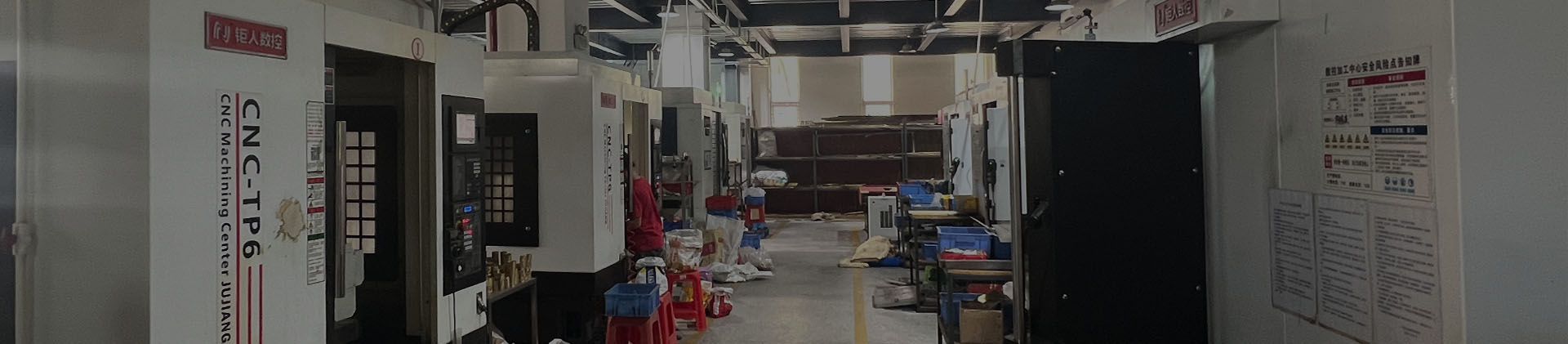
Lead-free brass materials may require different processing methods because their machining characteristics can differ from traditional alloys. Manufacturers need appropriate equipment, process adjustment, and production experience to achieve the same level of precision.
The challenge is not only producing the handle shape but also maintaining smooth surfaces, accurate dimensions, and consistent finishing results.
A compliant brass hardware manufacturer needs to balance material selection, production technology, and quality management to meet different application requirements.
What Should Be Confirmed Before Purchasing Brass Handles?
Material information should be confirmed according to the intended application rather than relying only on appearance. Product specifications, alloy details, and compliance documents can help determine whether the hardware matches project requirements.
Brass handles are valued for their durability and decorative qualities, but the right material choice is what ensures long-term performance and suitability for different markets.
Previous: