
What Makes Edge Pull Handles More Expensive?
Edge pull handles can cost more when they require long profiles, precise bending or extrusion, extensive machining, high-quality polishing, specialized finishes, or protective packaging. Their minimalist appearance leaves little room to conceal defects, so dimensional accuracy and surface consistency often require tighter production control than conventional cabinet pulls.
Material Usage Is Only One Cost Driver
The price of edge pull cabinet handles is partly influenced by the amount and type of metal used. Long handles for wardrobes and large drawers consume more material than short finger pulls. Wall thickness and profile width also affect unit weight.
However, comparing price by length alone can be misleading. Two profiles with similar dimensions may use different alloys, internal structures, edge shapes, or manufacturing routes. A lightweight design may require more machining, while a heavier profile may be easier to produce repeatedly.
Material quotations should identify the base metal, unit weight, dimensions, and permitted tolerances. This allows buyers to distinguish genuine material savings from changes that may reduce strength or installation stability.
Profile Complexity Changes Production Efficiency
A simple straight profile can often be manufactured more efficiently than a design with curved lips, recessed grips, stepped sections, or concealed fixing channels. Complicated geometry may require dedicated extrusion dies, forming tools, CNC programs, or multiple machining setups.
Long profiles also create challenges in straightness and twisting. A small deviation that is barely noticeable on a short pull becomes obvious when the handle extends across a wide drawer. Manufacturers may need additional straightening, fixture control, and dimensional inspection.
Custom profiles usually involve initial tooling costs. These costs may be charged separately or distributed across the order quantity, making small production runs more expensive per unit.
Machining Requirements Add Time
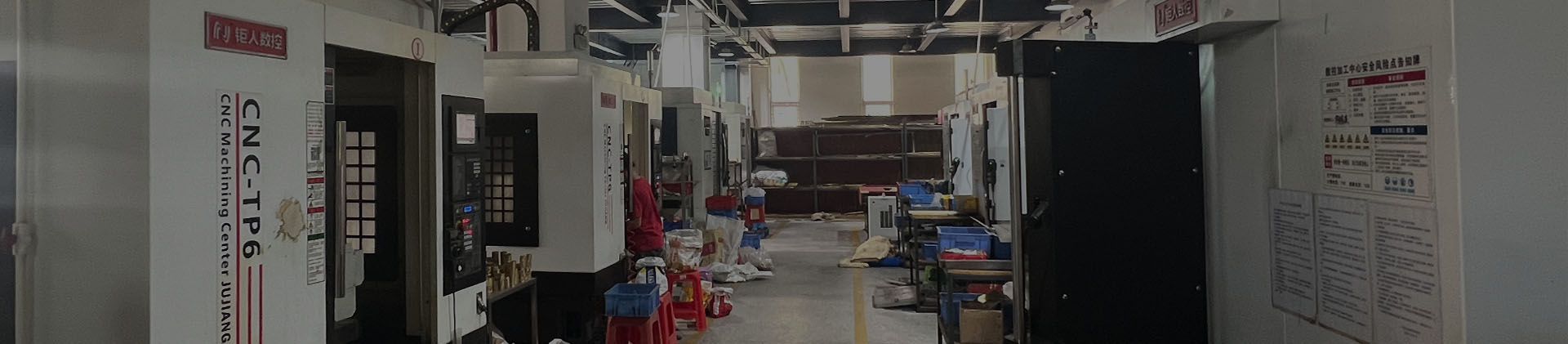
Edge handles often need cutting, drilling, countersinking, milling, deburring, and end finishing. Hole positions must align accurately with the cabinet edge, particularly when installation uses pre-drilled furniture panels.
An extended handle may require several mounting holes to prevent lifting or vibration. Each additional hole increases machining and inspection time. Concealed fixing systems can further raise the cost because internal channels, brackets, or special screws must fit correctly.
Cut ends also require attention. Rough edges can affect safety and appearance, so manufacturers may polish, cap, coat, or machine both ends after the profile is cut to length.
Minimalist Finishes Demand Better Surface Control
The broad visible face of an edge pull easily reveals scratches, dents, polishing waves, and inconsistent brushing. Satin and brushed finishes need a uniform grain direction along the full length. Polished finishes require careful handling because fine marks become visible under strong lighting.
Color consistency is especially important when multiple handles are installed in one continuous kitchen or wardrobe system. Long parts reflect surrounding light differently from knobs and short pulls, so physical sample approval should be completed on the actual profile rather than a small color chip.
Protective topcoats, anodizing, plating, chemical coloring, or other decorative processes contribute to the main edge handle cost factors. Complex finishes may also have minimum batch requirements.
Order Composition Influences the Unit Price
An order containing one length and one finish is generally easier to produce than a mixed order with many dimensions. Frequent cutting changes, separate labels, different hole patterns, and small quantities per SKU reduce production efficiency.
| Order feature | Likely cost effect | Possible optimization |
|---|---|---|
| Many custom lengths | More setup and sorting | Consolidate sizes where practical |
| Low quantity per finish | Higher finishing cost per piece | Group models by finish |
| Special hole patterns | Extra machining time | Standardize fixing positions |
| Individual retail boxes | Higher packing expense | Use project bulk packs when suitable |
| Very long profiles | Higher transport risk | Review sectional or reinforced packing |
A wholesale cabinet hardware supplier should evaluate quantity by individual SKU rather than only the total order volume. Ten thousand pieces divided across numerous specifications may not achieve the same efficiency as a concentrated production run.
Packaging and Freight Require Additional Protection
Edge pulls are more vulnerable to bending and surface abrasion than compact knobs. Long products may need individual sleeves, foam separators, reinforced cartons, internal supports, or wooden cases. Protective film must adhere securely without reacting with the finish.
Carton length can also affect pallet utilization and freight cost. Excessively heavy cartons become difficult to handle, while insufficient reinforcement allows profiles to bend during transport.
How Can Buyers Control the Final Cost?
Buyers should provide profile drawings, lengths, hole positions, material specifications, finish samples, order quantities per SKU, packaging requirements, and annual forecasts. The supplier can then separate material, tooling, machining, finishing, and packaging costs.
Price reduction is most effective when it simplifies production without weakening functionality. Standardized lengths, shared hole patterns, concentrated finishes, and realistic tolerances can lower costs while preserving the clean appearance that makes edge pull handles valuable in modern furniture.