
What Causes Black Spots on Brass Cabinet Hardware?
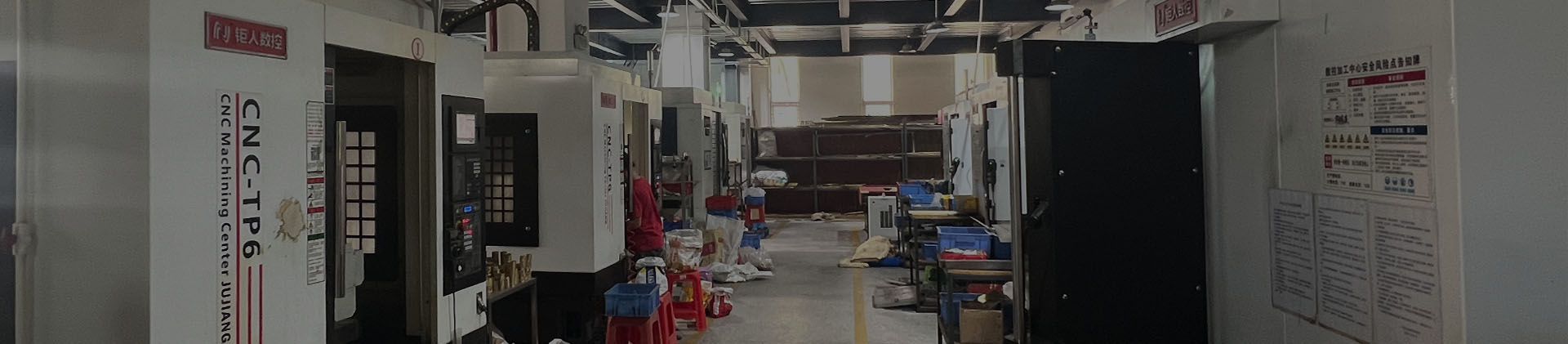
Black spots on brass surfaces are a common concern for professionals specifying brass cabinet hardware. These blemishes can undermine the aesthetic quality of a finished installation and raise warranty inquiries from end users. As a manufacturer with decades of experience in precision brass components, HUZHAN has investigated the causes and implemented factory process improvements that significantly reduce the incidence of surface defects.
Understanding what causes black spots on brass cabinet hardware creates confidence in specification decisions and helps partners assess quality in their supply chain. Brass is an alloy primarily composed of copper and zinc. The surface color and finish are influenced by both material composition and post‑production processes such as polishing and plating. When deviations occur in these stages, visible imperfections appear.
Common Causes of Black Spots on Brass
1. Surface Contamination Before Plating
During casting and machining, small amounts of oil, grease, or particulate matter can remain on the metal surface. If these contaminants are not fully removed, they interfere with plating adhesion. When the plated component is exposed to air or moisture, the trapped deposits can oxidize and form dark spots.
2. Inadequate Cleaning in Production Lines
High volume industrial production requires automated cleaning systems. If these systems are not optimized for brass substrates, chemical residues can remain. Residues react with the plating bath or air after plating, resulting in localized discoloration. Statistical quality control measures from modern plating lines show that better cleaning reduces defect rates by more than 50 percent.
3. Variability in Alloy Composition
Brass alloys vary in copper to zinc ratio. Some grades contain trace elements that promote corrosion under certain conditions. When exposed to humidity or pollutants, these trace elements can accelerate surface reactions that manifest as black spots. Consistent alloy selection and testing mitigate this risk.
4. Harsh Environmental Exposure
Finished hardware installed in coastal or industrial environments may suffer from accelerated patina formation. Salt in the air or chemical vapors accelerates oxidation. While some patina is a natural characteristic of brass, severe blackening indicates a surface reaction rather than quality of the base material.
5. Plating Quality and Bath Control
Electroplating is widely applied to brass hardware to enhance wear resistance and color uniformity. Poor control of plating bath composition or current density can create microvoids or weak adhesion zones. These defects later trap moisture and develop black spots.
Why Quality Matters for Brass Cabinet Hardware
Black spots are not only cosmetic issues. They signal potential weaknesses in surface durability. Cabinet hardware is subject to frequent handling and cleaning. Surface imperfections can become initiation sites for more extensive corrosion. For commercial and residential cabinetry, surface quality is a key performance indicator.
HUZHAN implements rigorous in‑process inspection protocols to detect surface irregularities before plating. Our quality engineers use both visual and microscopic inspection methods. This ensures that only parts meeting strict cleanliness criteria proceed to plating.
HUZHAN’s Approach to Reducing Surface Defects
Material Selection and Testing
HUZHAN sources brass with certified compositions. Our suppliers provide material certification reports that confirm copper and zinc contents along with any trace elements. Incoming batches are sampled and tested for mechanical properties and surface condition. Consistency in raw material quality directly reduces surface anomaly risks after finishing.
Advanced Cleaning Technology
Our production lines integrate multi‑stage cleaning using alkaline and ultrasonic baths. These systems remove machining oils and fine particulates that manual cleaning may miss. Realtime monitoring of cleaning bath chemistry ensures consistent performance. Data from our process controls indicate that post‑cleaning residue levels are maintained below thresholds associated with plating defects.
Plating Process Control
Electroplating lines are equipped with automated dosing systems and current regulators. By maintaining precise control of bath composition and electrical parameters, we achieve uniform deposition on all brass cabinet hardware components. Black spots associated with plating irregularities have decreased significantly since implementing these controls.
Post‑Plating Inspection and Handling
After plating, each batch undergoes a final inspection stage. Our quality team examines surface uniformity under controlled lighting. Components that do not meet standards are identified and reworked if feasible. Proper packaging techniques further protect parts during storage and shipping to customers.
Real World Data on Surface Quality Improvement
The table below compares average surface defect rates before and after implementation of enhanced cleaning and plating controls. These figures are based on internal production records over consecutive quarters.
| Production Phase | Defect Rate Before Improvement | Defect Rate After Improvement |
|---|---|---|
| Pre‑Plating Surface Contamination | 7.4 percent | 2.1 percent |
| Plating Uniformity Failures | 5.9 percent | 1.3 percent |
| Field Complaints for Black Spots | 12.5 per 10,000 units | 3.2 per 10,000 units |
Additional Considerations for Brass Hardware Users
While manufacturing controls significantly reduce black spots, proper handling and maintenance in the field are also important. Avoid abrasive cleaning agents that strip protective layers. Regular wiping with a clean, dry cloth helps prevent accumulation of contaminants that may accelerate surface reactions.
For designers and specifiers, understanding the environmental conditions facing installed hardware is equally important. Projects in high humidity climates benefit from hardware with durable finishing and corrosion resistance. HUZHAN’s surface finishes undergo salt spray testing and wear resistance evaluation to meet stringent application requirements.
A Manufacturer’s Perspective on Sustainable Quality
HUZHAN’s commitment to quality extends beyond defect reduction. Sustainable manufacturing practices include responsible waste treatment and efficient use of chemical baths. Our plating process recovers and recycles metals, reducing environmental impact. These practices align with industry expectations for both performance and sustainability.
Leveraging decades of experience and investing in advanced production technologies ensures that brass hardware such as our Solid Brass Cup Casters and other components deliver reliable aesthetic performance without frequent surface blemishes.
Understanding the root causes of black spots on brass hardware empowers specification decisions and builds trust in long‑term performance. HUZHAN continues to refine its processes to support partners with dependable quality and traceable material and production data.